Table of Contents
ToggleRaleigh’s unique climate, humid summers, pine pollen storms, and sporadic rain, makes house cleaning more than a cosmetic chore. It’s maintenance. The Triangle’s red clay dust creeps indoors on shoes, HVAC systems circulate pollen like confetti, and humidity breeds mildew in grout lines faster than most homeowners expect. Whether managing a historic bungalow in Mordecai or a new-build in North Hills, Raleigh residents face cleaning challenges that demand both consistency and strategy. This guide breaks down when to tackle cleaning yourself, when to call in professionals, what services actually deliver, and what you’ll pay in the local market.
Key Takeaways
- Raleigh’s humid climate, pine pollen, and red clay require a strategic cleaning approach with seasonal deep cleans scheduled after pollen season, before holidays, and mid-summer to combat moisture-related grime.
- Invest in a HEPA-filter vacuum for house cleaning in Raleigh to trap pollen particles as small as 0.3 microns and prevent recirculation into the air.
- DIY cleaning works for routine weekly maintenance, but professional services deliver superior results for deep cleans, move-in/move-out inspections, and homes with allergy-prone residents.
- Standard maintenance cleaning costs $130–$200 for a 3-bed, 2-bath home, while deep cleaning runs $250–$400; recurring weekly service typically costs 10–20% less per visit than one-time jobs.
- Professional cleaners should be insured, bonded, and background-checked, with quick response times for touch-ups and clear communication about pricing and service inclusions upfront.
Why Raleigh Homeowners Need a Strategic Cleaning Approach
Raleigh sits in the middle of the Piedmont, which means homeowners deal with environmental factors that turn cleaning into a year-round tactical operation. Spring brings pine pollen so thick it coats cars in yellow dust overnight. That same pollen infiltrates homes through windows, door seals, and AC vents, settling on baseboards, ceiling fans, and upholstery.
Red clay soil is another culprit. Anyone who’s walked through a Raleigh yard after rain knows the orange-red mud that clings to shoes and pets. Once tracked inside, it grinds into carpet fibers and grout, requiring more than a quick vacuum to remove.
Humidity levels in summer frequently hit 70–90%, creating ideal conditions for mold and mildew growth in bathrooms, basements, and around window frames. Dehumidifiers help, but without regular cleaning and ventilation, spores establish colonies that discolor caulk and tile.
Older homes, especially those in neighborhoods like Oakwood or Boylan Heights, often have original hardwood floors, single-pane windows, and less effective insulation. Dust accumulation happens faster, and drafts pull in outdoor debris. Newer subdivisions in Brier Creek or Falls River may have modern HVAC filtration, but they’re not immune to the pollen and clay issues.
A strategic approach means scheduling deep cleans around Raleigh’s seasonal patterns: post-pollen in late spring, pre-holiday in November, and mid-summer to combat humidity-related grime. It also means choosing the right tools and products for the job, or knowing when to hand it off to someone with commercial-grade equipment.
DIY House Cleaning vs. Professional Services in Raleigh
When DIY Cleaning Makes Sense
DIY cleaning works best for routine maintenance and households with predictable messes. If you’re home regularly and can dedicate 1–2 hours weekly to surface cleaning, you’ll keep ahead of dust, kitchen grease, and bathroom grime without major expense.
Basic weekly tasks include vacuuming high-traffic areas, wiping down kitchen counters and appliances, scrubbing toilets and sinks, and spot-mopping tile or vinyl floors. These don’t require specialized skills or equipment, just consistency.
For Raleigh-specific challenges, a HEPA-filter vacuum is worth the investment. Standard vacuums recirculate fine pollen particles back into the air: HEPA filters trap particles as small as 0.3 microns, which includes most pollen and mold spores. Models from Shark, Bissell, or Miele start around $150 and handle both carpet and hard floors.
Microfiber cloths outperform cotton rags for dusting and wiping. They grab dust electrostatically rather than pushing it around, and they’re machine-washable. Buy a dozen in bulk for $15–$20 and color-code them by room to avoid cross-contamination.
Homeowners with tile grout should keep a stiff-bristle brush and a pH-neutral cleaner on hand. Avoid acidic cleaners like vinegar on natural stone tile, it etches the surface. For persistent mildew in grout, a diluted bleach solution (1 part bleach to 10 parts water) works, but wear gloves and ensure ventilation. The best cleaning strategies emphasize matching the cleaner to the surface material, not just grabbing whatever’s under the sink.
DIY also makes sense for households with pets. Fur, dander, and tracked-in mud are constant, and paying a service to clean twice weekly isn’t economical. A cordless stick vacuum for quick pickups and washable pet bedding covers reduce the daily burden.
When to Hire Professional Cleaners
Professional cleaning makes sense when time is limited, when a home needs deep cleaning beyond routine maintenance, or when specialized equipment is required.
Deep cleans typically involve moving furniture to vacuum and mop underneath, wiping down baseboards and crown molding, cleaning inside cabinets and appliances, and scrubbing tile grout. Most Raleigh services define a deep clean as 3–5 hours of labor for a standard 3-bedroom, 2-bath home.
If you’re preparing a house for sale, post-construction, or after a major renovation, professionals bring truck-mounted vacuums, rotary floor scrubbers, and steam cleaners that homeowners don’t own. They also carry liability insurance, which matters if something breaks or someone gets injured.
Move-in/move-out cleaning is another scenario where pros shine. Landlords and property managers in Raleigh often require documented cleaning before returning a security deposit. Professional receipts satisfy that requirement and ensure appliances, carpets, and fixtures meet inspection standards.
Households with members who have allergies, asthma, or immune sensitivities benefit from professional-grade HEPA vacuums and hypoallergenic cleaning products. According to research on home organization and cleanliness, regular professional cleaning reduces airborne allergens by 30–50% compared to typical DIY routines.
Some tasks are risky or difficult enough to justify hiring out: cleaning second-story exterior windows, pressure-washing siding or decks, or dealing with mold remediation in crawl spaces or attics. Mold cleanup beyond 10 square feet should involve a licensed mold remediation contractor, especially if the source is a plumbing leak or roof intrusion.
Finally, if cleaning causes physical strain, bad knees, back pain, or mobility limitations, paying for regular service isn’t indulgence, it’s practical maintenance.
What to Expect from Raleigh Cleaning Services
Most Raleigh cleaning companies offer tiered service packages: basic maintenance, deep cleaning, and specialty add-ons. Understanding what’s included, and what costs extra, prevents surprise bills.
Standard cleaning (also called maintenance or recurring cleaning) covers:
- Dusting surfaces, shelves, and accessible fixtures
- Vacuuming carpets and rugs
- Mopping hard floors
- Cleaning and sanitizing bathrooms (toilets, sinks, tubs, mirrors)
- Wiping down kitchen counters, sinks, and exterior appliances
- Emptying trash bins
Standard cleaning assumes the home is already in decent shape. Cleaners won’t move heavy furniture, scrub caked-on grease, or organize clutter. If your counters are buried in mail and dishes, they’ll work around it or skip that area.
Deep cleaning includes everything in standard cleaning plus:
- Baseboards and door frames
- Light fixtures and ceiling fans (within safe reach)
- Inside ovens, refrigerators, and microwaves
- Cabinet fronts and interior shelving
- Tile grout scrubbing
- Window sills and tracks
Deep cleans take longer and cost 50–100% more than standard cleans. Many companies recommend scheduling one annually or when moving in.
Specialty add-ons vary by provider but often include:
- Interior window cleaning
- Carpet shampooing or steam cleaning
- Upholstery cleaning
- Pressure washing (exterior surfaces, driveways, decks)
- Post-construction cleanup
Most Raleigh services bring their own supplies and equipment. If you have preferences, eco-friendly products, fragrance-free cleaners, or specific brands, mention that upfront. Some companies charge extra for green products: others include them standard.
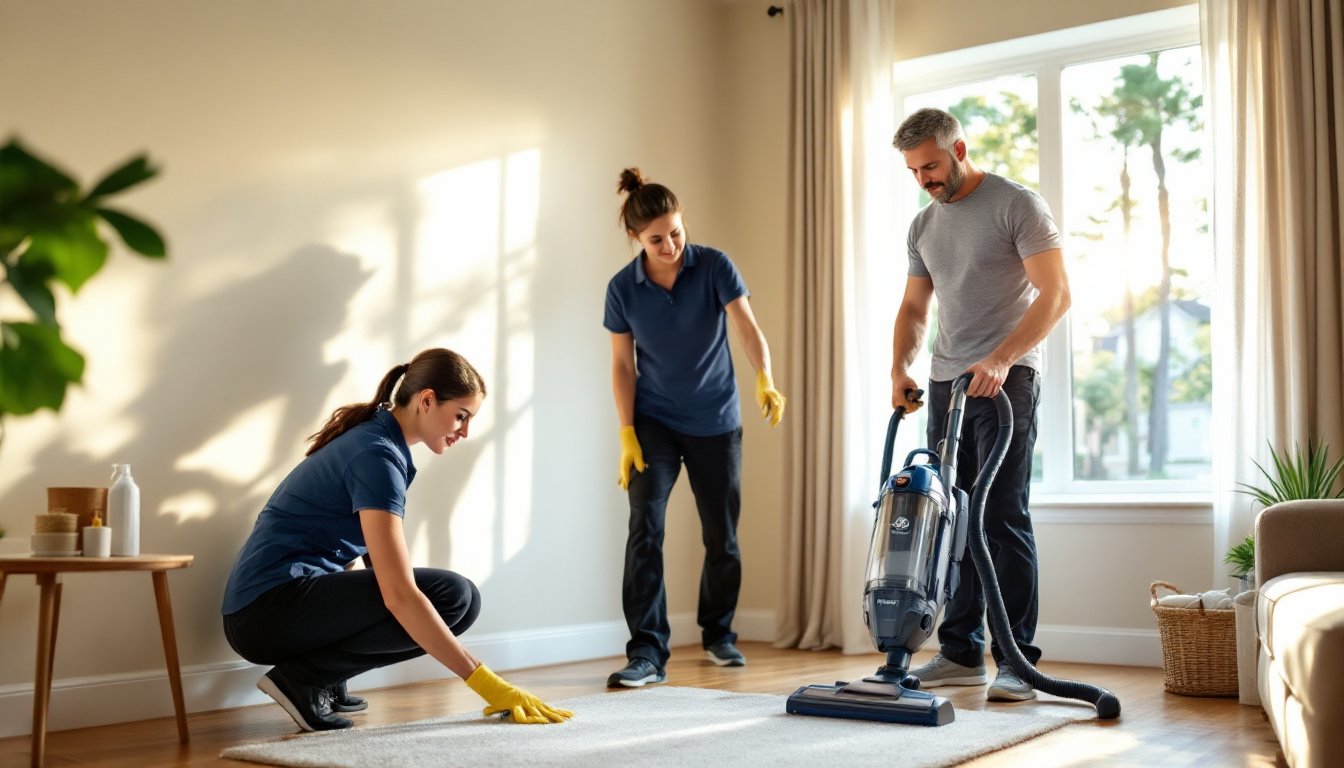
Expect cleaners to arrive in teams of 2–3 for efficiency. A solo cleaner might take 4–5 hours for a deep clean: a team finishes in 2–3 hours. Check whether the company is insured and bonded. If a vase breaks or a contractor injures themselves, insurance covers it. Unlicensed solo operators may charge less but carry more risk.
Background checks for employees matter, especially if you’re providing a key or alarm code. Reputable companies screen hires and carry worker’s comp insurance. Ask about employee turnover, frequent staff changes mean inconsistent quality.
Communication is key. Good services send appointment reminders, allow online booking, and follow up after the job. If something’s missed or done poorly, they should offer a re-clean within 24–48 hours at no charge.
Cost Considerations for House Cleaning in Raleigh
Pricing for house cleaning in Raleigh depends on home size, service type, frequency, and company reputation. As of 2026, typical rates break down as follows:
Recurring standard cleaning (weekly or bi-weekly):
- 1-bedroom apartment: $80–$120
- 2-bedroom, 1-bath: $100–$150
- 3-bedroom, 2-bath: $130–$200
- 4-bedroom, 3-bath: $180–$270
Weekly service usually costs less per visit than bi-weekly because the home stays cleaner between visits, requiring less labor. Monthly cleaning typically costs the same as or slightly more than bi-weekly rates due to heavier buildup.
One-time deep cleaning:
- 1-bedroom apartment: $150–$220
- 2-bedroom, 1-bath: $200–$300
- 3-bedroom, 2-bath: $250–$400
- 4-bedroom, 3-bath: $350–$550
Move-in/move-out cleans fall into the deep-clean range but may cost more if the home is empty (cleaners can’t skip areas hidden by furniture) or especially dirty.
Specialty add-ons:
- Interior window cleaning: $3–$7 per window
- Carpet cleaning: $30–$50 per room or $0.20–$0.40 per square foot
- Oven deep clean: $25–$50
- Refrigerator deep clean: $25–$40
- Pressure washing: $0.15–$0.40 per square foot
Some companies charge by the hour instead of flat rates. Expect $30–$50 per cleaner per hour in the Raleigh market. Hourly billing works if your home is unusually small or large, but flat rates provide more predictable budgeting.
Factors that increase cost:
- Pet hair and odor
- Excessive clutter
- Homes over 3,000 square feet
- High ceilings or hard-to-reach fixtures
- Homes that haven’t been professionally cleaned in over a year
Many Raleigh services offer discounts for recurring contracts, signing up for weekly or bi-weekly service might save 10–20% per visit. Some provide free estimates if you book online or refer a friend.
Tipping isn’t required but is common for good service. A standard tip is $10–$20 per cleaner, or 15–20% of the total bill for exceptional work.
Payment methods vary. Larger companies accept credit cards and online payment: smaller operators may prefer cash or check. Confirm cancellation policies, most require 24–48 hours’ notice to avoid a fee.
Prices fluctuate with labor costs, fuel, and supply expenses. A company quoting $140 for a 3-bed clean in early 2026 might charge $155 by year’s end. The advice from experts on household budgeting and maintenance emphasizes getting quotes from at least three providers and reading reviews on Google, Yelp, or Angi before committing.
Conclusion
Raleigh’s climate and local conditions make house cleaning more demanding than in drier or less vegetated regions. Homeowners who build a routine around seasonal challenges, pollen, humidity, clay, keep ahead of grime without burning weekends. DIY works for maintenance: professionals handle deep cleans, move prep, and tasks requiring specialized gear. Know what you’re paying for, ask questions upfront, and choose services that fit both your budget and your home’s needs.